





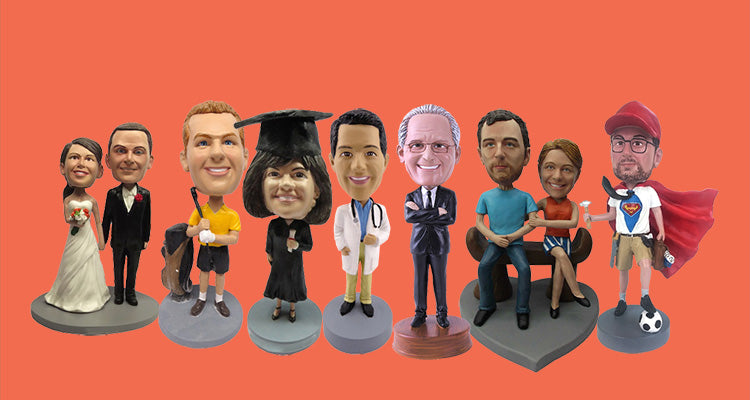


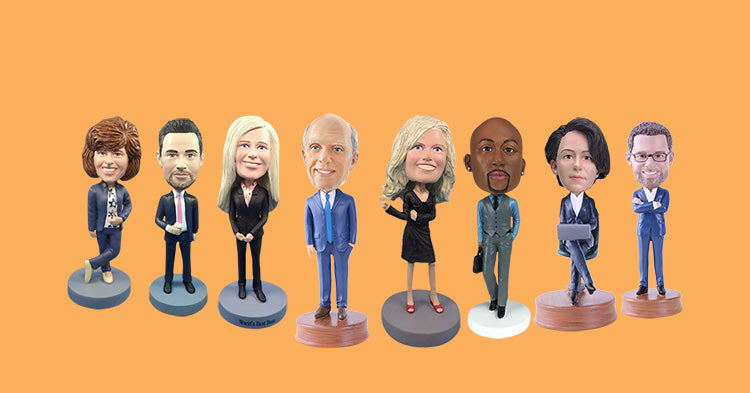

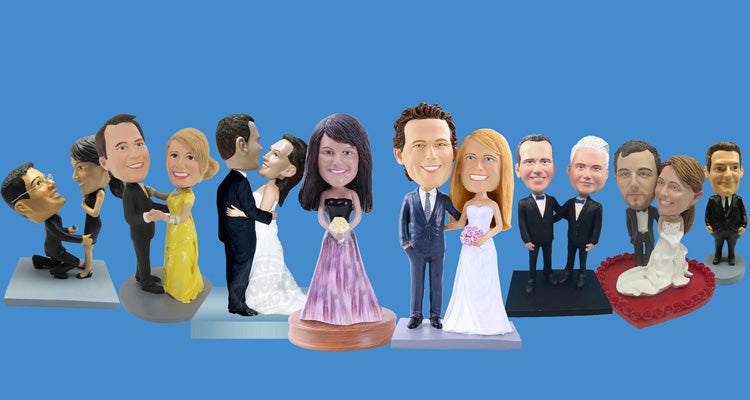

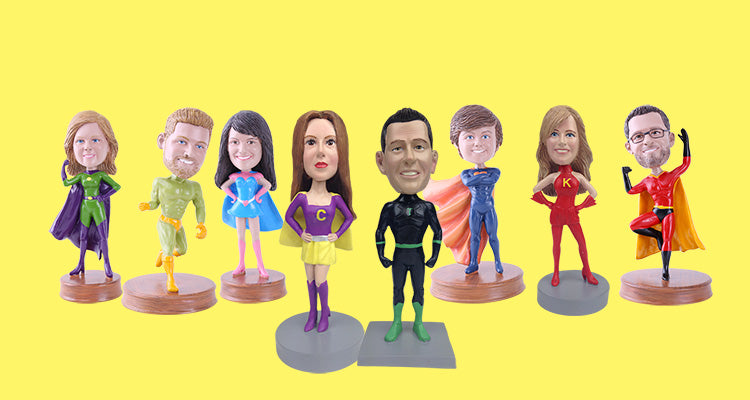

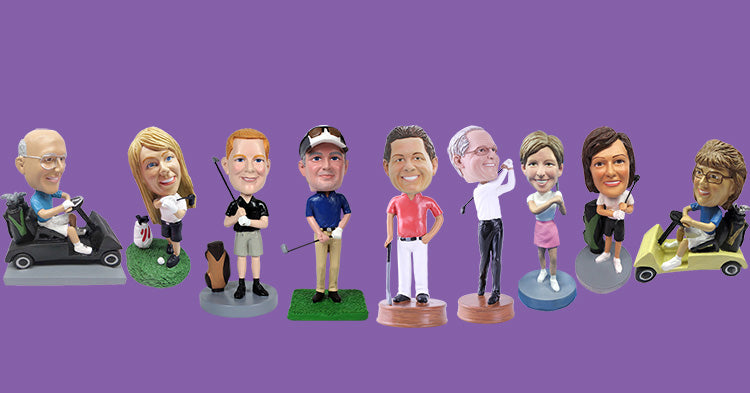


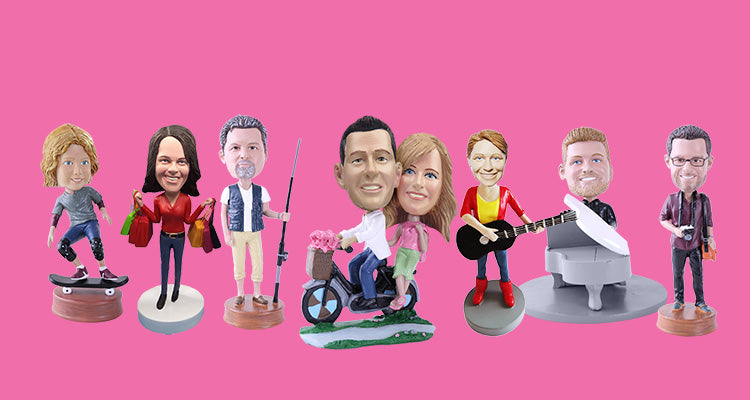

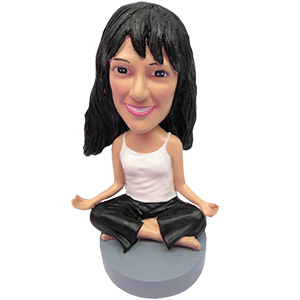

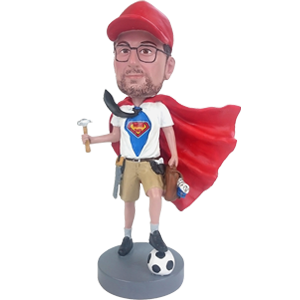

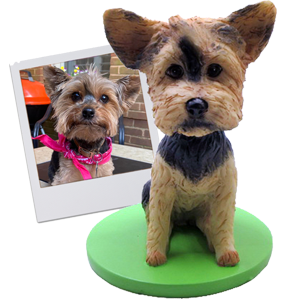

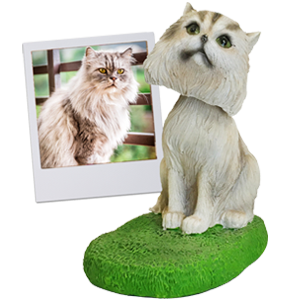

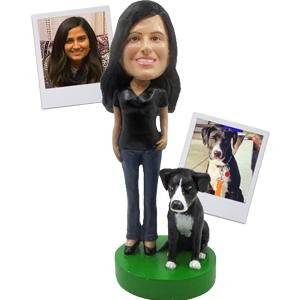

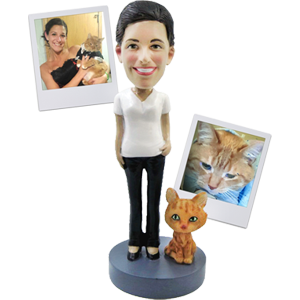


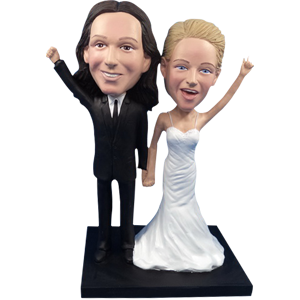


When creating custom bobbleheads, the smallest details make the biggest difference. Artists meticulously sculpt and paint features like facial expressions, hair textures, and clothing patterns to ensure a lifelike resemblance. Here's how they do it:
- Material Matters: Artists use durable materials like polyurethane resin or polymer clay for sharp, lasting details. Resin is ideal for crisp textures, while clay allows for adjustments during sculpting.
- Surface Preparation: Sanding, cleaning, and priming ensure smooth surfaces for precise painting without imperfections like air bubbles or uneven textures.
- Sculpting Features: Tools like needle picks and loop tools help refine tiny details such as wrinkles, hair strands, and fabric folds.
- Hand-Painting: Layers of paint create realistic skin tones, shading, and patterns. Fine brushes and masking techniques are used for logos, stripes, or intricate designs.
- Protective Coating: Clear varnishes seal the paint, prevent fading, and protect against wear, ensuring the bobblehead stays vibrant over time.
At companies like AllBobbleheads, customers collaborate with artists during the proofing process to perfect every detail, from facial features to clothing. This attention to detail transforms a simple figure into a personal keepsake.
MAKING OF A BOBBLE HEAD TUTORIAL - EPISODE 5 - PAINTING
Bobblehead Materials and Surface Preparation
Creating fine details starts with a flawless base. The materials used and how they're prepared play a huge role in whether intricate features like eyelashes, wrinkles, or fabric textures remain sharp for years - or fade and chip in just a few months.
Why Material Choice Matters
The material an artist works with is key to capturing and preserving detail. Polyurethane resin and polymer clay are the go-to choices for custom bobbleheads, offering surfaces that are dense, stable, and perfect for holding intricate designs.
Resin is a standout for its ability to flow seamlessly into molds, capturing sharp details. Once cured, its hardness ensures features like eyelids, lip contours, and hair strands stay crisp, even with frequent handling. This makes it ideal for replicating complex textures like facial wrinkles or clothing folds, especially when producing multiple bobbleheads.
Polymer clay, on the other hand, is prized for its flexibility during the sculpting process. Its malleability allows artists to refine and adjust designs repeatedly based on customer feedback. For example, at AllBobbleheads, customers receive "Clay Proofs" to review and request changes. This ensures every detail is perfected before the clay is hardened.
"When you receive a link to your Clay Proofs, we are seeking your feedback on the shape and form the clay is taking."
Other materials, like PVC or certain 3D-printed plastics, are softer and more flexible, making them easier for mass production. However, these materials can blur fine textures over time, requiring artists to simplify or exaggerate delicate features to ensure they remain visible at smaller scales.
When it comes to custom work, both artists and buyers weigh the pros and cons. Resin offers unmatched detail and durability but can be heavier and slightly more expensive. Lighter plastics or 3D-printed options save on shipping costs but often need additional surface prep to achieve a polished finish.
Once the material is chosen, the next step is preparing the surface to bring out those intricate details.
Preparing the Surface for Detailing
Even the highest-quality materials need proper preparation to get them ready for fine detailing. After casting or baking, imperfections like mold seams, air bubbles, or layer lines can interfere with precise painting and sculpting.
These defects can distort light, making painted details - like eyebrows or shirt stripes - look uneven or messy, even if the brushwork is perfect. To address this, artists follow a detailed surface prep process:
- Sanding: This is the first step to smooth out imperfections. Artists typically start with 400–600 grit abrasives to remove mold seams or print lines, then move to finer grits (800–1,000 or higher) to achieve a smooth, paint-ready surface without losing subtle shapes. Flexible sanding sponges and small needle files are especially useful for working around curved areas like noses, ears, and clothing folds.
- Cleaning: After sanding, dust, mold release agents, and skin oils must be removed to ensure proper adhesion of paint or primer. Artists use soft brushes or compressed air to clear sanding dust, followed by a gentle wash with mild soap and lukewarm water. Once dry, some artists wipe high-contact areas with isopropyl alcohol to ensure the primer adheres evenly.
- Priming: A good primer acts as a bridge between the raw material and the painted details. Acrylic or polyurethane-based primers designed for plastics and resin provide a thin, even layer that grips paint without clogging fine details. Proper priming also unifies the piece’s color, making micro-features easier to see under studio lighting while preventing chipping or peeling during handling.
When applying primer, thin, multiple coats are key. Artists hold the spray can 6–12 inches away, applying light, overlapping passes and allowing each coat to dry fully before adding the next. This method avoids buildup in delicate areas like eyes, hair textures, and clothing creases, preserving the crispness of the sculpt while ensuring full coverage.
Once the surface is primed and ready, the piece moves on to the painting stage.
"Once your Clay Proofs have been approved, your bobblehead is hardened and moved to the Paint stage."
A well-prepped surface ensures paint glides on smoothly, allowing thin brushstrokes to stay sharp and controlled. Professional studios often standardize their materials, cure times, and workspace conditions to maintain consistent surface quality. They also perform quality checks - like inspecting pieces under bright lighting and re-sanding flaws - to make sure every bobblehead is ready for flawless detailing. Proper surface preparation lays the groundwork for the intricate artistry that follows.
Sculpting and Refining Fine Features
Once the surface is prepped, artists focus on sculpting the defining features that make each bobblehead stand out. This is where the character and personality truly shine through - whether it’s the curve of a smile, the texture of wavy hair, or the delicate folds of a collar. Every detail is carefully refined to ensure the final piece captures a clear and recognizable likeness.
Let’s dive into the tools and techniques that transform rough shapes into these lifelike features.
Tools for Fine Sculpting
When working on such a small scale, having the right tools is non-negotiable. Artists use a compact toolkit to carve and refine features that are often no larger than a fingernail.
- Needle tools and dental picks: These are the go-to for creating sharp, precise lines. They’re perfect for carving eyelid creases, nostrils, and smile lines. Given the small size of a bobblehead’s head, even the tiniest slip can distort a feature, so artists work slowly, often under magnification, to maintain symmetry.
- Small loop tools: These tools, with U- or V-shaped wires, are used to shave thin layers for smooth curves. They’re ideal for refining cheeks, lips, and soft transitions in clothing folds, helping to create natural contours that catch the light.
- Silicone-tipped shapers: These tools are excellent for blending transitions seamlessly, such as where skin meets hair or a collar meets the neck. They ensure there are no visible tool marks, keeping the details soft and natural.
- Micro spatulas: For adding tiny details like buttons, glasses, or belt buckles, micro spatulas allow for precise placement and blending of material.
- Magnifying lamps and headband magnifiers: These tools help artists spot subtle inconsistencies in minute details, especially around the eyes and lips. Paired with strong directional lighting, they highlight imperfections like minor bumps or flat spots.
Once sculpting is complete, artists use fine-grit sandpaper or abrasive pads to smooth surfaces and soften harsh lines without losing the delicate details. These tools allow for the creation of textures that feel lifelike and natural.
Bringing Textures to Life
Textures are what give bobbleheads their realistic charm. But on such a small scale, too much detail can overwhelm the piece, while too little can make it look flat. Artists carefully balance these elements, emphasizing key areas while keeping others simpler.
- Facial features: For a natural expression, artists start with basic shapes and refine them. Eyes are carved with shallow eyelids that slightly overlap the iris for a relaxed gaze. Lips are modeled with attention to their volume and the subtle groove above the upper lip. Noses are shaped by refining planes - like the bridge and tip - rather than carving sharp lines, allowing shadows and highlights to enhance the details later.
- Hair textures: Hair is sculpted in layers, starting with large masses to establish volume and flow. Artists then add clumps to suggest strands, using fine rakes or needle tools to draw controlled lines in the direction of hair growth. For curls and waves, small coils are twisted into the main mass and blended at the base to retain texture while capturing highlights.
- Clothing folds and accessories: Fabric is sculpted to show where it’s tight and where it drapes loosely, such as around shoulders or knees. Artists use loop tools and spatulas to press in valleys and accentuate ridges, while needle tools mark seams and stitching. Accessories like ties or belts are crafted from thin strips of material and seamlessly integrated into the sculpt.
The sculpting process follows a logical sequence to minimize rework. Artists begin by shaping the overall proportions and pose, then refine larger forms like the head and torso. Once these are balanced, they add smaller details such as eyelids, nostrils, and lip edges. Only after the major forms are complete do they focus on delicate creases, individual hair strands, and fabric textures.
Material Choices and Final Touches
The type of material used plays a significant role in how textures are sculpted. For example, polymer clay requires slightly thicker features like ears or glasses to prevent breakage during baking. Epoxy putty, on the other hand, is applied in layers, allowing each to harden before adding finer details. For 3D-printed resin masters, printed layer lines are sanded down, and key features are resculpted with putty to ensure textures hold up during molding and casting.
Before finalizing, artists conduct quality checks under strong lighting to spot any asymmetries or imperfections. They use fine-grit sandpaper or micro files to smooth broad areas like cheeks and clothing panels while protecting crisp details like eyelids and collar edges. Some artists even use a light-colored wash or take quick photos to reveal flaws. Any soft edges are sharpened, and shallow details are deepened to ensure they remain visible after priming and painting.
"Once your Clay Proofs have been approved, your bobblehead is hardened and moved to the Paint stage."
These carefully sculpted features set the foundation for the painting techniques that will bring the bobblehead to life with vibrant color and depth.
Hand-Painting Details: Tools and Methods
Once the clay proofs get the green light, hand-painting takes center stage, turning the sculpted form into a lifelike bobblehead. At AllBobbleheads, a team of skilled artists meticulously adds the finishing touches, ensuring every detail - from facial expressions to intricate clothing patterns - brings the figure to life. With the foundation in place, the right tools and techniques ensure precision in every brushstroke.
Painting Tools
Working on such a small scale demands precision, and that’s where fine brushes and specialized applicators come in. These tools, paired with proper lighting, allow the artists to highlight every feature clearly while preserving the sculpted details.
Layering Methods for Realism
Achieving a realistic look involves applying multiple thin layers of paint. This method helps maintain the delicate features of the figure while creating smooth transitions between hues, whether it’s for skin tones or the subtle shading of fabric. The result? A finish that feels both polished and lifelike.
Adding Small Details and Highlights
Once the foundational layers are complete, the focus shifts to the finer details. Artists use precise strokes to bring out delicate features, ensuring even the smallest elements stand out. For logos or lettering, they start by sketching with a fine-tipped tool and then carefully outline to ensure clarity. When working with patterns like stripes or checks, low-tack masking tape helps achieve clean, crisp lines as colors are built up gradually. For particularly intricate designs, simplification may be necessary to maintain balance and recognizability. To wrap it all up, subtle highlights and accents are added, enhancing the depth of the piece without overshadowing the delicate details underneath.
sbb-itb-c56fd50
Finishing Touches and Protecting the Artwork
With the sculpting and painting complete, the final steps focus on refining every detail and ensuring the artwork is preserved for years to come. After painting, artists conduct meticulous quality checks and apply protective measures to secure the piece's longevity.
Final Additions and Corrections
Artists carefully inspect the figure from every angle under neutral lighting. This lighting helps reveal issues that softer or directional light might hide - like uneven paint coverage, visible brushstrokes, smudges, or mismatched colors between the head and body. They also check for sculpting flaws, such as small bumps or dust particles embedded in the paint, as well as misaligned features like eyes or logos that could disrupt the overall look.
When imperfections are spotted, they’re marked with removable pencil or low-tack tape to keep track of fixes. Artists then address these areas with precision, using fine brushes to trim messy edges, ultra-fine sandpaper to smooth out flaws, and spot-priming and repainting as needed. This targeted approach preserves the surrounding details without requiring a full redo.
At this stage, artists also add those tiny, personality-filled details that make the piece stand out - freckles, stubble, or small props like glasses or sports gear. These delicate elements are applied with fine brushes or micro-liners, and pre-painted accessories are attached using clear-drying adhesive.
Once all adjustments are made, the piece is ready for its protective finish.
Sealing and Protecting the Details
After the final corrections, a protective seal locks in the artwork. Artists ensure that all layers are completely dry - checking for any areas that feel tacky, shiny, or cool to the touch, which could indicate trapped moisture. Allowing acrylics to fully cure before sealing prevents issues like cracking or pigment lifting.
Clear acrylic varnishes are the preferred choice for protecting bobbleheads, available in matte, satin, and gloss finishes. Artists often combine finishes on a single figure to replicate real-world textures. For example, matte varnish is commonly used on skin and clothing to reduce glare and highlight fine details like wrinkles or stubble. Meanwhile, satin or gloss finishes are reserved for shiny elements, such as leather shoes, helmets, or jewelry.
Applying varnish requires patience and precision. Artists use several light coats, rotating the figure and letting each layer dry fully to avoid pooling or obscuring fine details. Thin, even coats are key to preventing drips, milky buildup, or loss of sculpted texture.
To protect moving parts, connection points are masked before sealing. Once the varnish dries, artists test the bobble action and remove any excess varnish from joints to ensure smooth movement.
Durability is also a priority when selecting protective products. Many artists opt for varnishes with UV protection to prevent colors from fading when exposed to indoor light. This is especially important for U.S. customers who might display their bobbleheads near windows or in rooms with fluctuating humidity and air conditioning. Clear acrylic varnishes not only resist UV damage but also offer better protection against abrasion compared to unsealed paint, making them ideal for display pieces that may be occasionally handled or dusted.
At AllBobbleheads, a standardized quality-control checklist ensures every bobblehead meets high standards for display and light handling. This includes final checks on color consistency, the stability of the spring and base, and the secure attachment of small accessories like glasses or sports gear. Using compatible primers, paints, and sealers throughout production helps minimize long-term issues like chipping, yellowing, or peeling.
To help customers enjoy their custom bobbleheads for years, artists recommend keeping them in a dry, room-temperature environment, away from direct sunlight, extreme heat, or high humidity. When cleaning, use a soft, dry cloth - avoid water or chemicals, as these can smudge the paint or weaken the protective seal. With proper care, these handcrafted pieces remain vibrant and detailed, ready to brighten any space they’re displayed in.
How AllBobbleheads Artists Bring Fine Details to Life
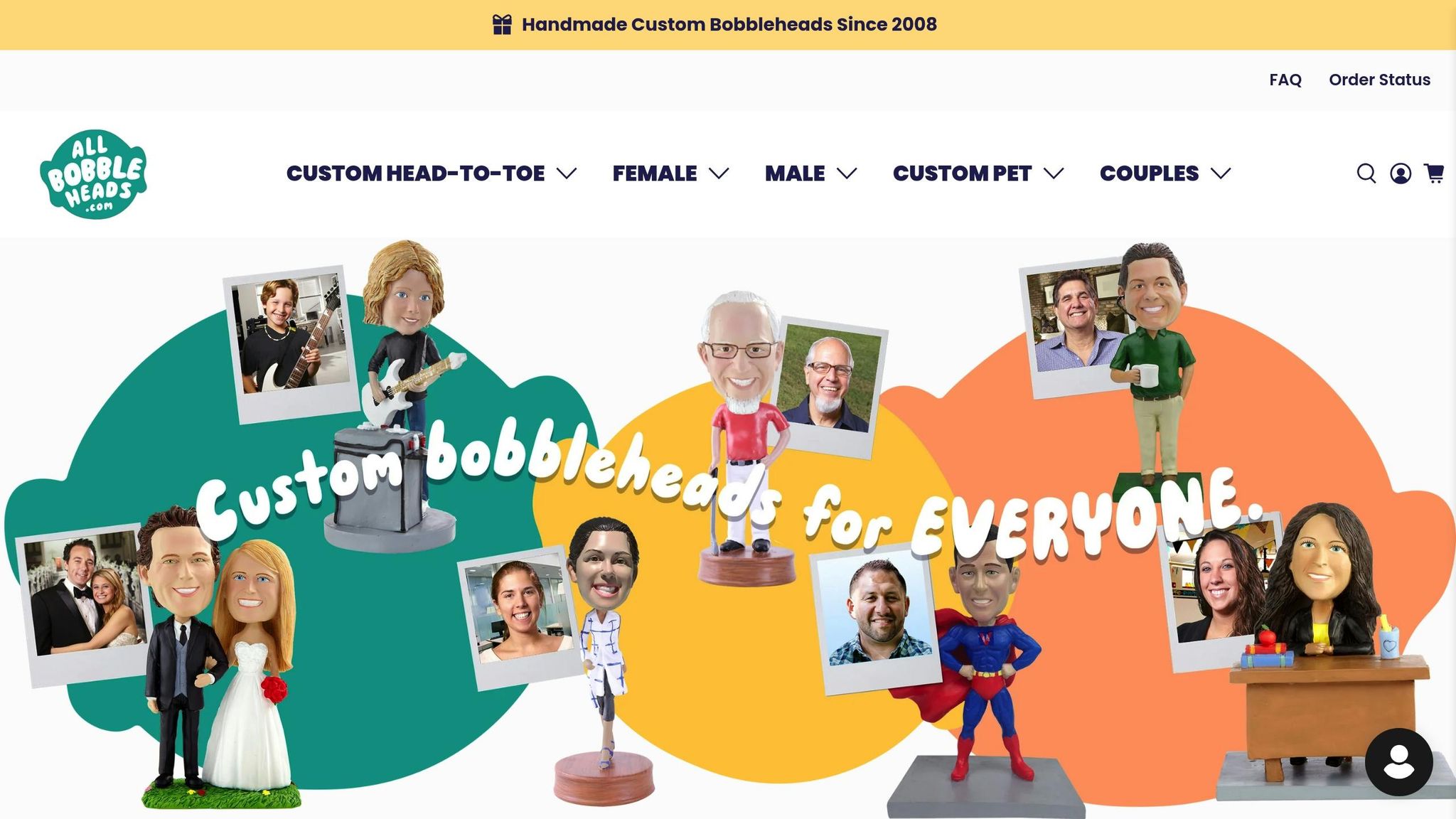
Once the surface is prepared and the sculpting is complete, the magic truly begins with a hands-on collaboration between the artists and customers. At AllBobbleheads, the process is designed to ensure each bobblehead is as personal and accurate as possible. It all starts when customers upload their photos and continues through a detailed feedback loop, guaranteeing that every tiny detail reflects their vision.
Working with Customers for Customization
The journey of creating a custom bobblehead begins with the customer’s input. They provide a front-facing photo, along with additional angles, to give the artists a full view of the subject. Details like hair color, eye color, and skin tone are also shared, forming the foundation for both sculpting and painting. These reference materials are essential for capturing the likeness and setting the stage for a detailed back-and-forth process.
What makes this process stand out is the two-step proofing system. The first stage focuses on the sculpt itself. Artists send a draft to the customer, who can then request changes to facial features and expressions. Feedback can be as specific as adjusting the spacing of the eyes, altering cheek height, or tweaking the volume of the hair.
If the initial clay proof doesn’t meet expectations, artists make the necessary adjustments and provide revised proofs within 3–5 days. Only after the customer gives their approval does the project move to the painting phase. At this point, customers receive Paint Proofs, showcasing the hand-painted bobblehead. Cosmetic changes - like fine-tuning colors or refining logos - can still be made during this stage.
"If something isn't turning out as you intended, this is when you'll need to give direction to the sculptor or painter so that they can make necessary adjustments."
When it comes to clothing and accessories, customer descriptions and reference images are key. Whether it’s a sports uniform, wedding attire, or work outfit, artists carefully replicate every detail. Special requests, like adding pets, hobbies, or props, are also accommodated. From guitars to glasses, these elements are securely incorporated to maintain balance and ensure nothing obstructs the final design.
Combining Sculpting and Painting Skills
The painting stage is where the bobblehead truly comes to life. At AllBobbleheads, sculpting and painting go hand in hand. The sculptor creates a detailed base, which the painter enhances with carefully applied colors and intricate details. This teamwork is especially crucial for capturing facial features. Whether it’s the curve of a smile, the texture of hair, or the unique shape of the eyes, every element is crafted to ensure the figure is instantly recognizable.
Before any bobblehead is shipped, it undergoes a thorough quality check. Artists confirm that the sculpt and paint match the customer’s reference images and instructions. They verify that the colors are consistent, accessories are securely attached, and any logos or text are sharp and clear.
Each AllBobbleheads creation is built from the ground up, with customers playing an active role throughout the process. This collaboration transforms a simple figurine into a deeply personal keepsake, ensuring that every detail - big or small - perfectly aligns with the customer’s vision.
Conclusion
Crafting a custom bobblehead with intricate details is a blend of skill, precision, and teamwork. Every stage, from selecting materials to the final hand-painted touches, plays a critical role in bringing these personalized figurines to life. Artists use a variety of specialized tools - like fine brushes, sculpting tools, and premium paints - to capture even the smallest details, whether it’s the subtle curve of a smile or the intricate patterns on clothing.
Collaboration with the customer is just as important as the technical process. At AllBobbleheads, a detailed proofing process allows for adjustments to facial features, proportions, colors, and even logos, ensuring the final product perfectly reflects the customer’s vision. This back-and-forth exchange turns a simple figurine into a deeply personal keepsake.
"Proofing is a crucial part of the production process that ensures your bobblehead is being made exactly as you want it!"
– AllBobbleheads.com
FAQs
What are the main differences between polyurethane resin and polymer clay for sculpting bobbleheads?
Polyurethane resin and polymer clay are two widely used materials for crafting bobbleheads, each offering its own set of advantages.
Polyurethane resin starts as a liquid and solidifies into a tough, smooth finish. This makes it perfect for achieving fine details and ensuring consistency in design. Its durability and precision make it a go-to choice for mass production, where uniformity is key.
In contrast, polymer clay is soft and flexible, allowing artists to sculpt intricate details by hand. Once baked, it hardens and preserves the handcrafted feel, making it ideal for unique, custom designs.
Both materials serve their purpose well, with the choice largely depending on whether the focus is on large-scale production or creating one-of-a-kind pieces.
How does AllBobbleheads ensure customer feedback is reflected in the final bobblehead design?
At AllBobbleheads, customer input plays a key role in the design process. During the proofing stage, customers get to review and approve Clay Proofs, which showcase the basic shape and structure of their bobblehead. If something isn't quite right, they can request changes to make sure the design aligns with their vision.
After the clay design gets the green light, the art team carefully hand-paints the bobblehead. Customers are then sent Paint Proofs, which highlight the colors and intricate details. This gives them another chance to provide feedback before the final product is completed. This two-step process ensures every bobblehead is thoughtfully crafted and tailored to the customer’s preferences.
How do artists ensure hand-painted details on bobbleheads stay vibrant and durable over time?
Artists rely on top-notch materials and precise techniques to ensure the hand-painted details on bobbleheads remain vibrant and long-lasting. They use durable paints specifically designed to resist fading and chipping, applying them in layers to achieve deep, enduring colors. Once the painting is complete, a protective sealant is added to safeguard the surface from wear and tear, as well as environmental factors like moisture and UV rays.
This level of care and craftsmanship ensures that each bobblehead stays colorful and treasured for years.
Related Blog Posts
- Ultimate Guide to Personalized Bobblehead Gifts
- Custom Bobbleheads: Common Questions Answered
- Bad Photo Quality? How to Get Perfect Results
- How To Customize Athlete Bobbleheads


