












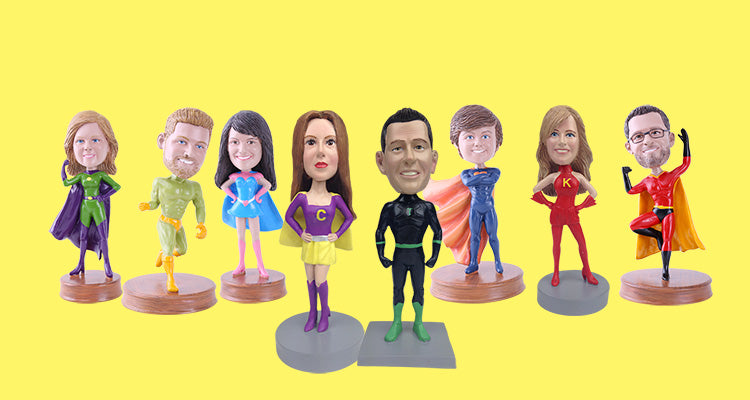




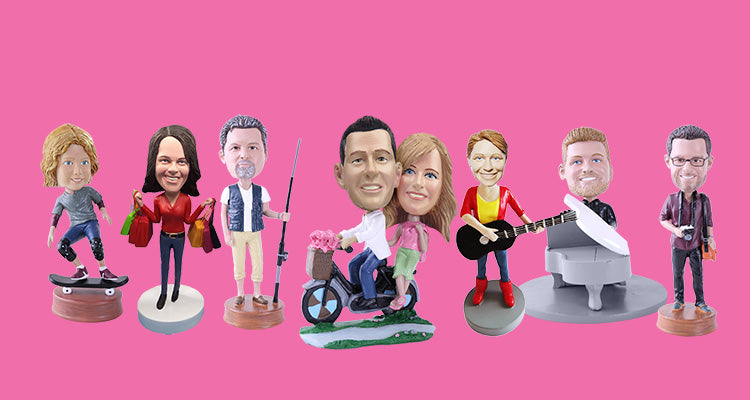



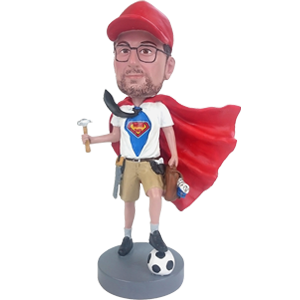

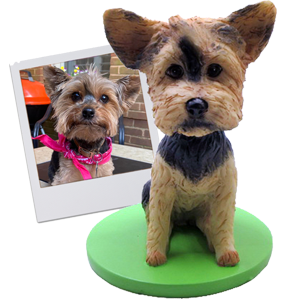

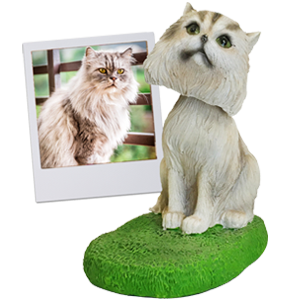

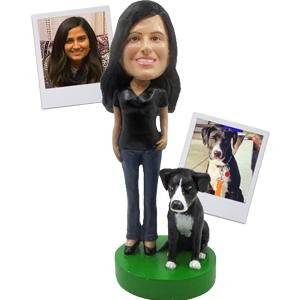

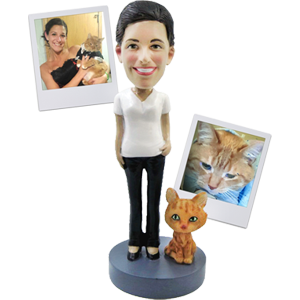


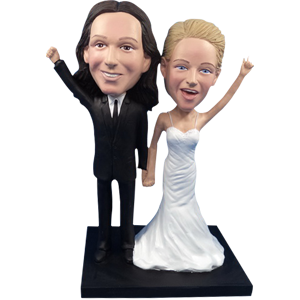


Custom bobbleheads are fragile, especially their spring-mounted heads. Without proper packaging, they can be damaged during shipping. To ensure safe delivery, use these materials:
- Bubble Wrap: Cushions against impacts and prevents scratches. Lightweight and cost-effective.
- Packing Paper & Tissue: Protects painted surfaces and fills gaps. Best used with other materials.
- Foam Inserts: Offers snug, custom-fit protection for irregular shapes. Reusable and lightweight.
- Packing Peanuts: Fills empty spaces to prevent movement. Works well with pre-wrapped items.
- Shipping Boxes: Double-boxing adds extra protection against crushing.
- Protective Sleeves & Hard Cases: Adds a rigid layer of security for high-value items.
- Custom Packaging: Tailored solutions for maximum protection, especially for frequent shipments.
Key Takeaway: Combine materials like bubble wrap, foam inserts, and packing peanuts in sturdy boxes to protect your bobbleheads. For frequent shipments, consider custom packaging to save time and reduce damage risks.
How to Protect a Bobblehead for Shipping
1. Bubble Wrap
Bubble wrap is a classic choice for protecting fragile items during shipping, and for good reason. The air-filled bubbles act as an effective cushion, softening the blow from bumps, drops, or any rough handling your bobblehead might encounter. Beyond impact protection, the plastic layer shields against scratches and keeps dust off the painted surfaces, preserving the item’s appearance. When the bubbles compress, they absorb the force, keeping delicate features safe.
Protection Level (Scratch vs. Impact)
Bubble wrap is excellent at guarding against both scratches and impacts. To maximize protection, wrap each bobblehead individually in one or two layers, making sure every part is covered. Pay extra attention to fragile areas like the neck or any protruding limbs or accessories, as these are more prone to damage during transit. Use tape to secure the wrap at multiple points, ensuring it stays snug and doesn’t shift.
Once wrapped, fill the empty spaces in your shipping box with packing peanuts or crumpled paper. This prevents the bobblehead from moving around, reducing the risk of uneven pressure or impacts during handling.
Weight Impact on Shipping Costs
One of bubble wrap’s advantages is its light weight, which won’t noticeably add to postage fees. This is especially important if you’re shipping multiple bobbleheads or using additional protective layers like foam inserts or double-boxing. Keeping the package weight low can help keep shipping costs manageable.
Cost-Effectiveness
Bubble wrap offers a great balance of affordability and protection. It’s one of the least expensive options for safeguarding fragile items like bobbleheads. Even better, it can often be reused, which lowers the cost per shipment over time. While wrapping with bubble wrap does take a little extra time and tape, its low price and reusability make it a practical option for small-scale shipping or occasional use.
Ease of Application
Using bubble wrap is simple and adaptable. You can cut and shape it to fit any bobblehead, regardless of its size or design. This flexibility is especially helpful for custom bobbleheads with unique poses or features. However, since bubble wrap isn’t custom-molded like foam inserts, the level of protection depends on how carefully you wrap the item.
Environmental Considerations
Despite its effectiveness, bubble wrap has its downsides when it comes to the environment. It’s not biodegradable or curbside recyclable, meaning it usually ends up in landfills after use. Its bulkiness also takes up significant storage space, which can be a hassle if you’re shipping bobbleheads frequently.
Up next, we’ll look at how packing paper and tissue can add another layer of protection to your shipping process.
2. Packing Paper and Tissue
Packing paper and tissue are lightweight and environmentally friendly options for protecting items during shipping. While they excel at preventing scratches and filling empty spaces, they don’t provide the same level of shock absorption as bubble wrap. Kraft paper, a popular choice, is made from recycled materials and is fully biodegradable, making it a sustainable alternative.
Protection Level (Scratch vs. Impact)
Packing paper and tissue are ideal for scratch prevention, particularly for items like bobbleheads. Tissue paper, with its soft texture, acts as a gentle barrier that shields painted surfaces and intricate details from damage during transit.
For the best results, start by wrapping the bobblehead in tissue paper to protect its paint. Then, use crumpled kraft paper to fill any gaps in the packaging, adding an extra layer of cushioning. This method works even better when paired with other materials, such as foam padding or custom inserts. By layering these materials, you can create a more comprehensive protection system that minimizes movement and reduces the risk of damage.
It’s important to note that paper-based materials shouldn’t be the sole protective measure for fragile or high-value items. Instead, they work best as part of a multi-layer protection strategy, where tissue paper prevents scratches and crumpled kraft paper helps secure the item in place during transit.
Weight Impact on Shipping Costs
One of the key advantages of packing paper and tissue is their lightweight nature, which helps keep shipping costs low. Even when used generously, these materials add very little to the overall weight of a package. This makes kraft paper particularly useful for providing effective padding without increasing shipping fees by bumping the package into a higher weight category.
Cost-Effectiveness
Packing paper and tissue are among the most budget-friendly options for shipping fragile items like bobbleheads. Kraft paper, in particular, is an economical choice for wrapping and padding, often costing much less than alternatives like bubble wrap or foam inserts. Buying kraft paper in bulk can further reduce costs, making it a practical choice for businesses with frequent shipping needs.
A single roll of kraft paper can serve multiple purposes - wrapping, cushioning, and filling voids - while also offering environmental benefits. Made from 100% recycled materials, paper-based mailers are curbside recyclable, aligning with eco-conscious practices that many customers appreciate.
Ease of Application
Packing paper and tissue are incredibly easy to use and don’t require any special tools. You can simply tear off what you need, wrap or crumple it as needed, and secure it with tape. Unlike bubble wrap, which can be tricky to cut cleanly, paper is easy to handle and adapts to any shape.
To use, place the bobblehead on a sheet of tissue paper, fold it to cover delicate areas, and then use crumpled kraft paper to fill any empty spaces in the box. For sealing, apply the H-tape method by placing strips of paper tape along the seams and openings to form an H-shape. This ensures a secure seal without unnecessary layers.
If the item is sensitive to moisture, consider adding silica packets inside a sealable plastic bag before wrapping it in paper. This precaution helps keep the contents dry, as paper doesn’t provide the same moisture resistance as plastic materials.
With proper technique, this method works well for bobbleheads of any size or design, no matter how intricate or complex their poses. Next, we’ll look at foam inserts, which offer enhanced impact resistance to complement these paper-based solutions.
3. Foam Inserts and Foam Padding
When it comes currently comes to safeguarding bobbleheads with intricate details or delicate structures, foam inserts and padding are a top choiceing solution. Unlike paper-based materials, foam provides excellent shock absorption and can be custom-cut to fit your collectible perfectly. This makes it ideal for protecting fragile parts with unique, or unusually, shaped items[ to, like extended arms or detailed faces.
Protection are also good for Protection Level (Scratch vs. Impact)
Foam’s natural shock-absorbing properties make it ideal for reducing the risk of impact damage during transit. Its flexibility allows it to conform to your bobbleheadof a bobblehead. Its ability to conform to your bobblehead’s contours means that elements such as are items, such as extended arms or detailed faces remain well-cushioned and secure.
as well as Custom Foam Inserts and Specialty Options
Custom foam name brand inserts can be designed to match the certain unique contours of your bobblehead collectible, securing it on all sides to prevent unnecessary movement. For bobbleheads with irregular shapes or electronic components, pink anti-static foam can also prevents of additionally prevents electrostatic discharge.
just for a good example.
###k for maximum protection, consider a layered approach that combines foam with other materials to maximize protection. Foam is lightweight, so it won't add significant weight to your shipment.
4. Packing Peanuts
After using bubble wrap and foam inserts, packing peanuts serve as an excellent final layer of cushioning to protect your bobblehead.
Packing peanuts are a loose-fill material designed to fill empty spaces and keep items from shifting during transit. These lightweight fillers are particularly effective at creating a buffer between your bobblehead and the box walls, ensuring it stays secure.
However, don’t place your bobblehead directly into a box filled with peanuts. Instead, wrap it in bubble wrap or tissue paper first, then surround it with packing peanuts. This layering method adds an extra layer of protection.
Protection Level (Scratch vs. Impact)
Packing peanuts excel at absorbing shocks from drops by evenly spreading out the impact. However, they don’t offer much scratch protection. Wrapping your bobblehead beforehand is essential to prevent surface damage.
When used around a pre-wrapped bobblehead, packing peanuts create a snug barrier that keeps the collectible from moving or hitting the box walls, reducing the risk of damage during shipping.
Weight Impact on Shipping Costs
One of the biggest advantages of packing peanuts is their feather-light weight, which helps keep shipping costs low. Even if you use enough peanuts to completely fill a box, they won’t significantly add to the package’s weight. This makes them a cost-effective choice, especially for larger boxes that require substantial void fill.
In contrast, heavier padding materials can push your package into a higher weight category, leading to higher shipping fees. Packing peanuts let you avoid this while still providing reliable protection.
Cost-Effectiveness
Packing peanuts are an affordable and reusable option for filling voids in shipping boxes. Their ability to adapt to irregular shapes eliminates the need for custom-fitted solutions, which is especially useful for bobbleheads with extended arms or unique designs. No matter the shape, packing peanuts can conform and provide effective cushioning.
Ease of Application
Using packing peanuts is simple and efficient. Start by pouring a layer of peanuts at the bottom of the box. Place your pre-wrapped bobblehead in the center, then pour more peanuts around all sides until the box is completely filled. Shake the box gently to ensure the bobblehead doesn’t shift or move - this confirms it’s properly secured for transit.
Packing peanuts offer a straightforward and reliable way to protect your collectibles, making them a practical choice for shipping fragile items.
sbb-itb-c56fd50
5. Shipping Boxes and Double-ing
When shipping your -head, the right box is your first line of defense against transit as. Building upon earlier cushioning techniques, a reliable shipping box serves as the backbone protection against external impacts and damage - -.
6. Protective Sleeves and Hard Cases
When it comes to shipping, protective sleeves and hard cases add an extra layer of security, especially when paired with cushioning and double-boxing techniques. They’re a smart choice for ensuring your items arrive safely.
Weight Impact on Shipping Costs
Hard cases, with their rigid construction, tend to weigh more, which can bump up shipping costs. On the other hand, protective sleeves are lightweight, making them a more budget-friendly option for shipping. For single bobblehead shipments, the added weight of a hard case might push your package into a higher shipping price bracket. However, if you're shipping high-value or multiple items, the extra protection provided by a hard case can often justify the additional cost. It’s all about finding the right balance between protection and affordability.
Cost-Effectiveness
Protective sleeves are relatively inexpensive, typically priced between $2 and $10 per unit. Hard cases, while more durable, come with a higher price tag - ranging from $15 to $50 or more. That said, hard cases can be reused multiple times, making them a cost-effective choice for repeated shipments despite their higher upfront cost.
Environmental Considerations
For those mindful of the environment, the choice between these two options goes beyond just cost. Hard cases are often made of non-recyclable plastic, which isn’t the most eco-friendly option. In contrast, padded sleeves made from recycled cardboard are biodegradable and can be easily recycled curbside. If sustainable packaging is a priority, recycled cardboard sleeves are a better fit for environmentally conscious shipping practices.
7. Custom Packaging Solutions
Custom packaging solutions take bobblehead protection to the next level with designs tailored specifically to fit each figurine. Unlike generic materials that often require manual adjustments, custom foam inserts are crafted to match the exact shape and size of your bobblehead. This snug fit ensures a level of security that standard materials simply can’t provide. Building on earlier cushioning techniques, custom packaging provides an added layer of protection by conforming perfectly to the bobblehead’s unique features.
Protection Level (Scratch vs. Impact)
Custom foam inserts offer robust protection against both scratches and impacts. Their form-fitting design keeps the bobblehead securely in place, which is especially important for figurines with irregular shapes or delicate, protruding parts. During rough handling or accidental drops in transit, the foam absorbs shocks and disperses impact forces evenly. This prevents paint from chipping and safeguards fragile elements, ensuring your bobblehead arrives in pristine condition.
Weight Impact on Shipping Costs
One of the key benefits of custom foam inserts is their lightweight nature, which helps keep shipping costs under control. Because the foam is cut precisely to fit the bobblehead, there’s no extra material adding unnecessary bulk. For businesses that ship multiple bobbleheads frequently, this weight optimization can lead to significant savings. By eliminating the need for additional packing materials like bubble wrap or packing peanuts, you avoid added shipping expenses while still ensuring top-notch protection.
Cost-Effectiveness
While custom foam inserts require an upfront investment, they prove cost-effective in the long run. They help reduce damage claims, returns, and packing times, making them a smart choice for frequent shipments. Unlike generic packing materials that often need extra layers for adequate protection, custom inserts are a reusable solution that consistently delivers. Pre-shaped cavities mean you won’t need to keep buying rolls of bubble wrap or boxes of packing peanuts. For companies like AllBobbleheads, which specialize in shipping custom bobbleheads, these inserts streamline operations by cutting down on training time for staff and minimizing the risk of packing errors.
Ease of Application
Perhaps the greatest advantage of custom packaging is its simplicity. There’s no guesswork involved - just place the bobblehead into its pre-designed cavity. This eliminates the need for wrapping items in multiple layers or adjusting padding during packing. The streamlined process is especially beneficial during busy shipping seasons or when handling large volumes, ensuring every item receives uniform protection. Additionally, using custom fiber interiors made from recycled corrugated cardboard and newsprint provides an eco-friendly option. These materials are biodegradable and 100% recyclable, offering a sustainable solution that avoids adding to landfill waste.
Material Comparison Table
The table below compares seven key packaging materials based on four factors: protection level (resistance to scratches and impacts), weight impact (its effect on shipping costs), cost-effectiveness (balancing initial cost and long-term value), and ease of application (simplicity and speed of use).
| Material | Protection Level | Weight Impact | Cost-Effectiveness | Ease of Application |
|---|---|---|---|---|
| Bubble Wrap | Excellent shock absorption; may need multiple layers for best results | Lightweight; minimal shipping weight impact | Budget-friendly; reusable and affordable per use | Very easy; quick to wrap, no tools required |
| Packing Paper & Tissue | Works for lightweight items; limited heavy-impact protection | Extremely lightweight; negligible added weight | Low-cost for basic needs; not reusable | Simple; manual wrapping and layering required |
| Foam Inserts & Padding | Snug, non-abrasive fit; great for preventing scratches and impacts | Lightweight; ideal for frequent shipping | Moderate upfront cost; reusable, offering long-term savings | Easy with pre-cut inserts; custom cutting takes more effort |
| Packing Peanuts | Versatile for irregular shapes; fills gaps effectively | Lightweight; available in both polystyrene and biodegradable options | Generally pricier than other materials | Moderate; careful distribution needed to prevent shifting |
| Shipping Boxes & Double-Boxing | Excellent when paired with internal cushioning; prevents crushing | Adds noticeable weight, especially with double-boxing | Higher cost for double-boxing but reduces damage claims | Moderate; requires proper sizing and sealing techniques |
| Protective Sleeves & Hard Cases | Strong protection against crushing and impacts | Varies from moderate to heavy, depending on material | Higher initial cost; ideal for valuable or delicate items | Easy; items slide into pre-formed cases |
| Custom Packaging Solutions | Tailored fit for superior protection against scratches and impacts | Lightweight; minimizes excess material | Higher upfront cost; reduces damage claims for frequent shippers | Very easy; pre-designed cavities simplify packing |
Key Takeaways
Bubble wrap shines as an all-around option, offering excellent shock absorption, affordability, and ease of use. For frequent shippers, custom packaging solutions provide superior protection and efficiency, though they come with higher initial costs.
Shipping weight plays a major role in costs. Lightweight materials like packing paper and foam inserts balance protection with minimal weight. On the other hand, double-boxing offers extra security but adds significant weight, which can drive up shipping expenses.
Sustainability is another consideration. Fiber-based materials, such as recycled corrugated inserts made from reclaimed paper and newsprint, are fully recyclable and biodegradable. Eco-conscious shippers can also use padded mailers made from 100% recycled paper for lightweight items like bobbleheads or as an additional protective layer within rigid boxes.
For specialized needs, certain materials stand out. Anti-static foam is ideal for bobbleheads with electronic components as it safely dissipates electrostatic charges. VCI-laminated bubble bags protect metal parts from rust during transit. For painted surfaces, spunbond polypropylene offers soft, tear-resistant protection to prevent scratches.
Picking the right material depends on your shipping needs. Individual sellers shipping occasionally might find bubble wrap to be the most practical and affordable choice. Businesses like AllBobbleheads, which handle frequent shipments, can benefit from custom foam inserts, saving time and ensuring consistent protection. Balancing protection with cost and weight is essential for safe and efficient shipping.
These insights reflect our commitment to making sure your custom bobbleheads arrive safely and in perfect condition.
Conclusion
Shipping bobbleheads safely requires a thoughtful combination of materials. Bubble wrap is a standout for absorbing shocks and is perfect for wrapping individual bobbleheads, while foam inserts provide a snug fit that protects delicate surfaces. To fill empty spaces in the box, packing peanuts and packing paper work well, though they can compress during transit. To counter this, slightly overfill the box to account for any compression during shipping.
For added protection, include extra padding at the bottom of the box to absorb impacts when the package is set down. Using a double-boxing method creates an extra barrier against crushing, especially when the space between the two boxes is filled with cushioning materials.
To ensure maximum protection, layer bubble wrap, foam inserts, and packing peanuts in a sturdy, appropriately sized box with reinforced bottom padding. For businesses that frequently ship custom bobbleheads, investing in custom packaging can streamline the process and maintain consistent quality. Striking the right balance between protection, shipping costs, and material weight ensures a smooth and efficient delivery process.
FAQs
What are the best ways to combine packaging materials to keep bobbleheads safe during shipping?
To keep bobbleheads safe during shipping, you'll need a mix of durable packaging materials. Start by wrapping the bobblehead in bubble wrap to protect it from scratches and minor impacts. Then, place it in a snug foam insert or surround it with packing peanuts to absorb any shocks. Make sure to use a sturdy cardboard box that fits well, leaving minimal empty space to prevent movement.
For added security, consider double-boxing. Place the bobblehead in a smaller box with padding, then position that box inside a larger one with additional cushioning around it. This layering method provides extra protection against rough handling during transit. Finally, seal the box securely with strong packing tape to ensure it stays closed throughout the journey.
What are the best ways to ship bobbleheads while keeping costs low and being eco-friendly?
Shipping bobbleheads securely while keeping costs in check and being mindful of the environment is all about choosing the right materials. Opt for recycled or recyclable packaging like sturdy cardboard boxes, biodegradable packing peanuts, or kraft paper. These choices not only protect your items but also help minimize waste.
To ensure maximum safety, pair eco-friendly cushioning materials - such as shredded paper or recyclable bubble wrap - with boxes that fit snugly. This prevents unnecessary movement during transit, keeping your bobbleheads intact while showing care for the planet.
What are the benefits of using custom packaging for shipping bobbleheads, and when is it a better choice than standard materials?
Custom packaging provides a snug, secure fit for your bobbleheads, keeping them protected during transit. Unlike generic shipping materials, custom packaging is specifically designed to match the exact size and shape of your bobblehead. This precision reduces unnecessary movement and lowers the chances of damage.
It’s an excellent choice when shipping fragile or uniquely shaped bobbleheads, especially handmade or high-value items like those from AllBobbleheads.com. For extra peace of mind, combine custom packaging with protective materials such as foam inserts or bubble wrap to ensure your bobbleheads arrive in perfect condition.
Related Blog Posts
- Ultimate Guide to Personalized Bobblehead Gifts
- How to Order a Personalized Bobblehead: Step Guide
- Custom Bobbleheads: Common Questions Answered
- How To Customize Athlete Bobbleheads


